The Hidden Cost of Choosing Low-Quality Doors in Commercial Projects


When planning a commercial building, doors can seem like a relatively small part of the overall project budget. Compared with structural systems, HVAC, electrical infrastructure, flooring, and other major components, it can be tempting to reduce costs by choosing lower-priced doors.
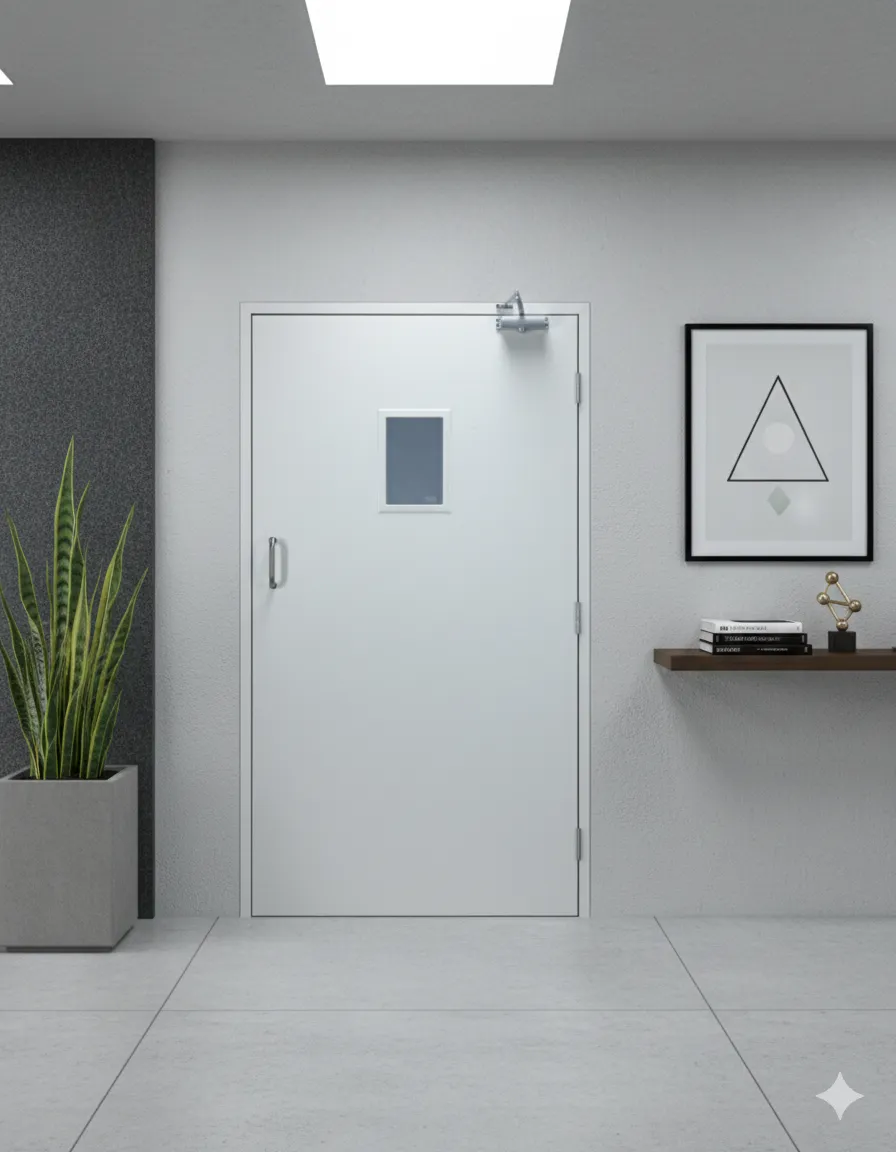
Doors are among the most frequently used components in a commercial building. They are opened and closed thousands of times, exposed to changing environmental conditions, handled by different users, and expected to provide security, safety, privacy, and smooth access every day.
When low-quality doors begin to fail, the resulting expenses can extend far beyond replacement costs. Frequent repairs, damaged hardware, operational disruptions, maintenance labour, and premature replacement can significantly increase the lifecycle cost of doors.
This is why commercial projects need to look beyond the initial quotation and consider long-term performance.
Frequent repairs increase maintenance costs
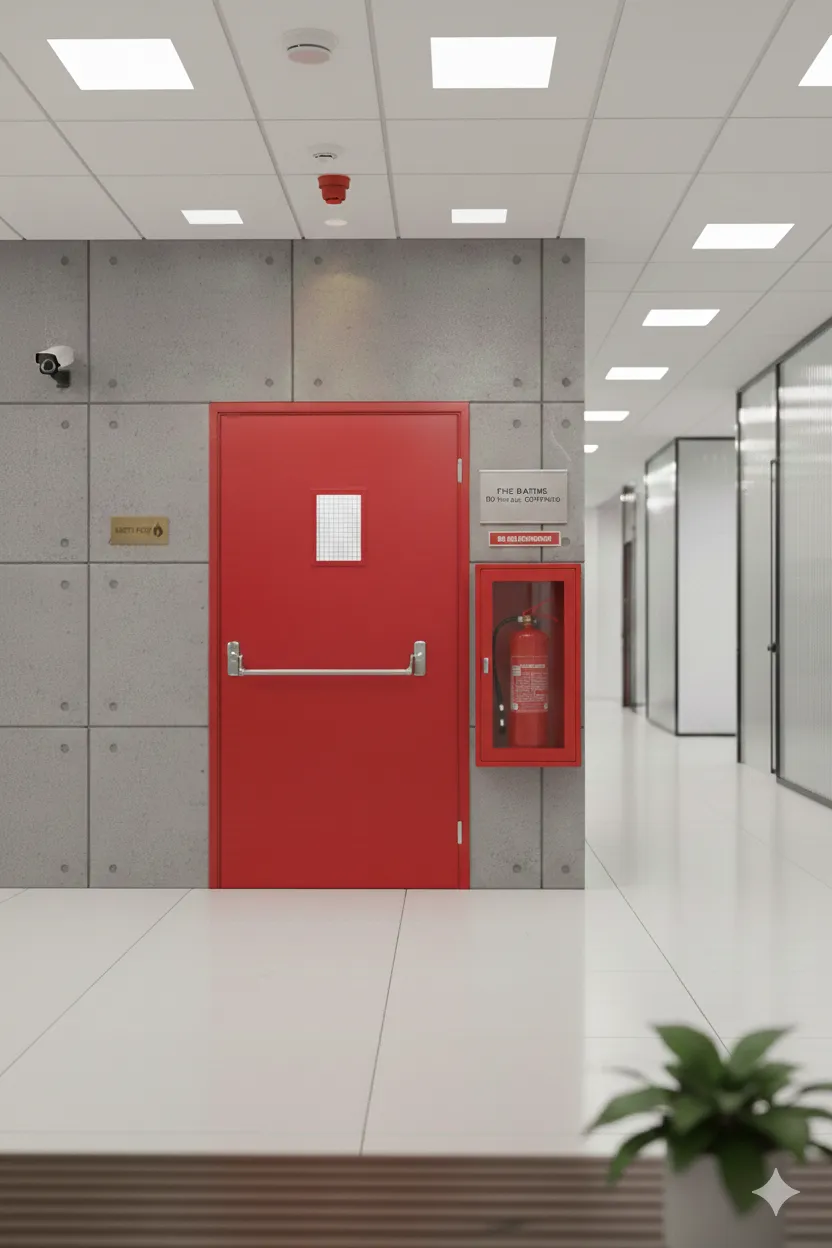
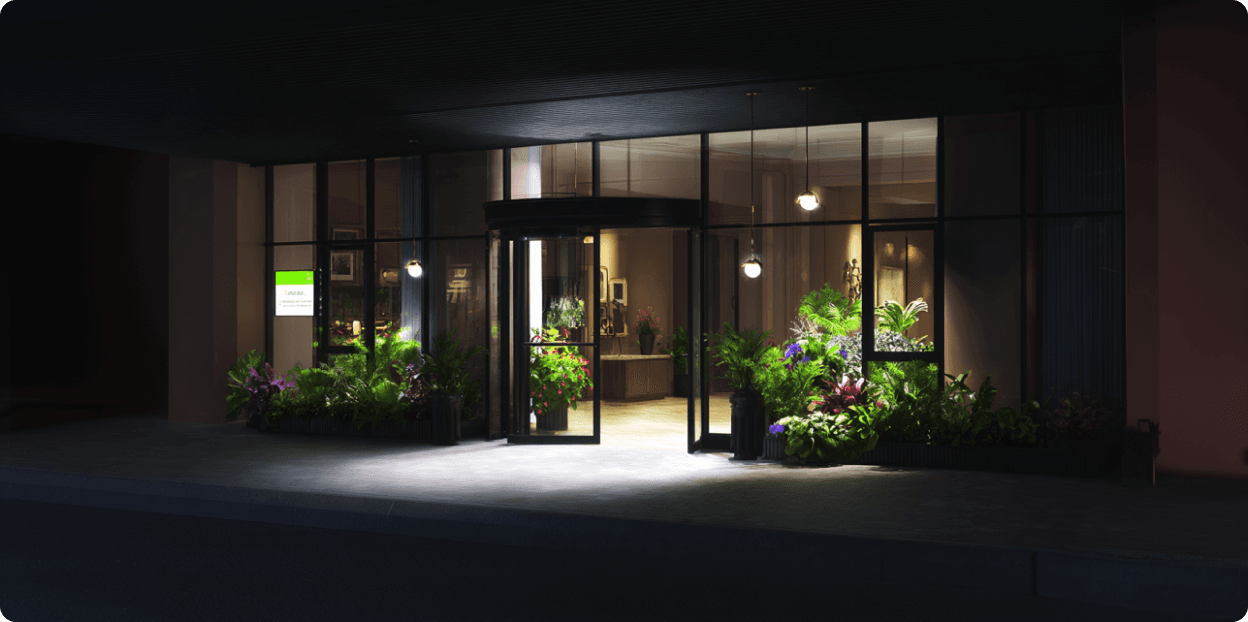
Commercial doors are subjected to intensive daily use. Entrance doors, corridor doors, fire-rated doors, service doors, and access-controlled doors can be opened and closed hundreds of times throughout the day.
When low-quality components are used, problems can develop quickly. Loose hinges, damaged frames, faulty locks, worn door closers, misalignment, surface deterioration, and difficulty opening or closing are all common maintenance issues.
While each problem may seem minor on its own, recurring failures can significantly increase the time and resources required to maintain a commercial building.
Maintenance teams may have to repeatedly inspect the same doors, arrange repairs, source replacement components, and coordinate service work. Over time, these demands can take attention away from other critical building systems and create a continuous operational burden for facility managers.
Choosing reliable, durable door components can therefore do more than reduce individual repair costs. It can help minimize maintenance demands, improve operational efficiency, and keep commercial facilities running with fewer disruptions.
Poor durability disrupts building operations+-
Door durability is about more than maintaining a good appearance over time. In a commercial building, a door must continue to operate reliably and perform as intended despite constant use and changing conditions.
Depending on the application, doors may be exposed to repeated impacts, frequent opening and closing, routine cleaning, temperature fluctuations, humidity, dust, and other environmental stresses.
As components wear or the door becomes difficult to operate, even a seemingly minor issue can affect the flow of people, equipment, and materials through the building. Doors that do not close properly can also create additional concerns in areas where security, access control, or fire protection are important.
The impact can be even greater in industrial facilities and other high-traffic environments, where they are subjected to demanding operating conditions throughout the day.
Selecting door products and components that are engineered for their specific application can help improve long-term reliability, reduce operational disruptions, and ensure that doors continue to perform as expected throughout their service life.
Hardware failure increases repair costs
A door is only as reliable as the hardware that supports its operation. Hinges, handles, locks, door closers, panic devices, access-control components, and other fittings are subjected to repeated use and can experience significant wear over time.
Problems can become more frequent when low-quality doors are fitted with hardware that is not suitable for the door’s weight, traffic levels, or operating conditions. Components may wear prematurely, affect door alignment, or require repeated adjustment and replacement.
The cost goes beyond the hardware itself. Every replacement can involve labour, service visits, downtime and disruption to building operations. In some cases, failing hardware can also damage the door leaf or frame, turning a small component failure into a more expensive repair
For demanding commercial applications, durable steel doors paired with appropriately specified, high-quality hardware can provide a more reliable and cost-effective solution. Choosing the right combination from the outside can help reduce premature failures, maintenance requirements and the hidden costs associated with repeated repairs.
Replacement costs go beyond doors
Replacing a commercial door is rarely as straightforward as removing the old unit and installing a new one. The actual cost can extend well beyond the price of the replacement door.
Depending on the building and application, replacement work may involve labour, transportation, new hardware, frame modifications, surface repairs, painting, and coordination with facility management teams
There are also indirect costs to consider. When a door serves a bust entrance, warehouse, office area, or a service zone, taking it out of operation can interfere with normal building activities. Some facilities may also require temporary access arrangements while the replacement work is underway
These additional expenses can make an early door failure far more costly than expected.
For this reason, door selection should not be based solely on the initial purchase price. Considering durability, maintenance requirements, replacement frequency, and potential disruption from the outset provides a clearer picture of the door’s try lifecycle cost.
Low-quality doors can compromise safety and security
Commercial doors often play a critical role in maintaining safety and security within a building. Depending on their location and purpose, they may be required to support fire protection, access control, privacy, security, or the controlled movement of people and equipment between different areas.
When a door is poorly manufactured, incorrectly specified, or inadequately maintained, its ability to perform these functions can be compromised. A door that fails to close or latch correctly, for example may create access-control concerns. Damaged frames, worn hinges, faulty locks, and deteriorating hardware can also weaken the overall security of an opening.
In applications where door performance is critical, these issues can have consequences beyond maintenance costs. A door that does not function as intended can create operational, safety, or security risks for the building and its occupants.
For specialised commercial applications, door selection should therefore be based on the required performance, durability, and operating conditions, not simply the lowest purchase price. Choosing a door system designed for its intended application can provide greater reliability and help maintain the safet
Durable steel as a long-term investment
Steel doors are widely used for commercial and industrial doors because of its strength, durability, and suitability for demanding environments. When properly designed and manufactured, a durable steel door can withstand repeated use, everyday impact, and other stresses while providing reliable performance over an extended service life.
However, long-term durability depends on more than the choice of material alone. Factors such as steel thickness, door construction, protective coatings, hardware quality, manufacturing standards, installation, and ongoing maintenance can all influence how well a door performs over time.
This makes proper specification particularly important. The most suitable steel door is one that has been selected based on the conditions and demands of its intended application.
By selecting the right steel door for the environment, building owners and facility managers can improve reliability, reduce avoidable maintenance, and achieve better long-term value from their investment.
Considering the total lifecycle cost
The true cost of a commercial door extends well beyond its purchase price. When comparing options, project teams should consider the total cost of owning and operating the door throughout its service life.
Lifecycle costs can include the initial product price, installation, routine maintenance, repairs, hardware replacement, operational or energy-related costs where applicable, downtime, and eventual replacement.
For example, choosing a cheaper door that requires frequent hardware replacement, repeated servicing, or premature replacement may result in a higher overall cost than investing in a more durable product from the outset.
Evaluating doors based on total lifecycle cost gives building owners and project teams a more complete view of value. Instead of focusing solely on short-term savings, they can make decisions based on durability, reliability, maintenance requirements, and long-term operating costs.
How Ahlada invests in quality doors for long-term commercial value
Choosing low-quality doors for commercial projects may appear cost-effective initially, but frequent repairs, premature replacements, and ongoing maintenance can increase expenses over time. Poor door performance can also affect security, daily operations, and the overall functionality of a building. Ahlada offers door solutions for businesses seeking to prioritise quality, durability, and long-term value, helping project teams make more informed decisions when evaluating products for commercial applications.
Investing in suitable doors from the beginning can help businesses manage lifecycle costs and reduce the risk of avoidable replacements. By assessing product specifications, installation requirements, warranty terms, and relevant safety certifications, procurement teams can make decisions that balance upfront budgets with long-term building needs.
Ahlada supports a quality-conscious approach to commercial door selection, helping businesses explore solutions that align with their construction requirements and long-term performance goals. Ahlada's door solutions can be evaluated against project specifications and operational requirements, allowing buyers to look beyond the initial purchase price and consider factors that influence long-term performance and maintenance needs.
Conclusion
Choosing the cheapest door may reduce the initial construction budget, but it can create hidden expenses long after the project has been completed. Frequent repairs, hardware failures, maintenance labour, operational disruption, and premature replacement can all contribute to a higher overall cost.
For commercial projects, door durability should therefore be viewed as an investment rather than an optional feature. By selecting well-engineered durable steel doors and evaluating their expected performance, maintenance requirements, and service life, project teams can make more informed decisions and potentially reduce the lifecycle cost of doors.
While a quality door may cost more initially, its ability to withstand demanding use and deliver consistent performance can make it the more economical choice over the life of the building.
You may also like
Other Products You Might Like
Explore more products from our collection
Other Products You Might Like
Explore more products from our collection