The Psychology of First Impressions: What Your Front Door Says About Your Home
 5 min read
 Oct 19, 2026


Before a guest notices your living room, kitchen, furniture, or décor, they notice one thing: your entrance.
A front door is more than a functional feature that provides security and privacy. It is a visual introduction to your home. Its material, colour, proportions, hardware, finish, and overall style can influence how people perceive the property before they even step inside.
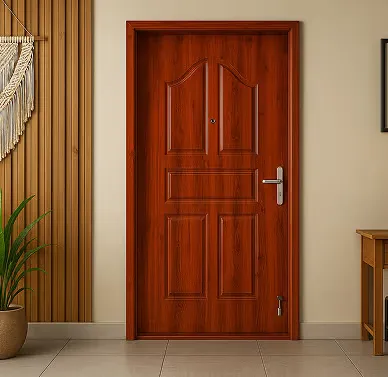
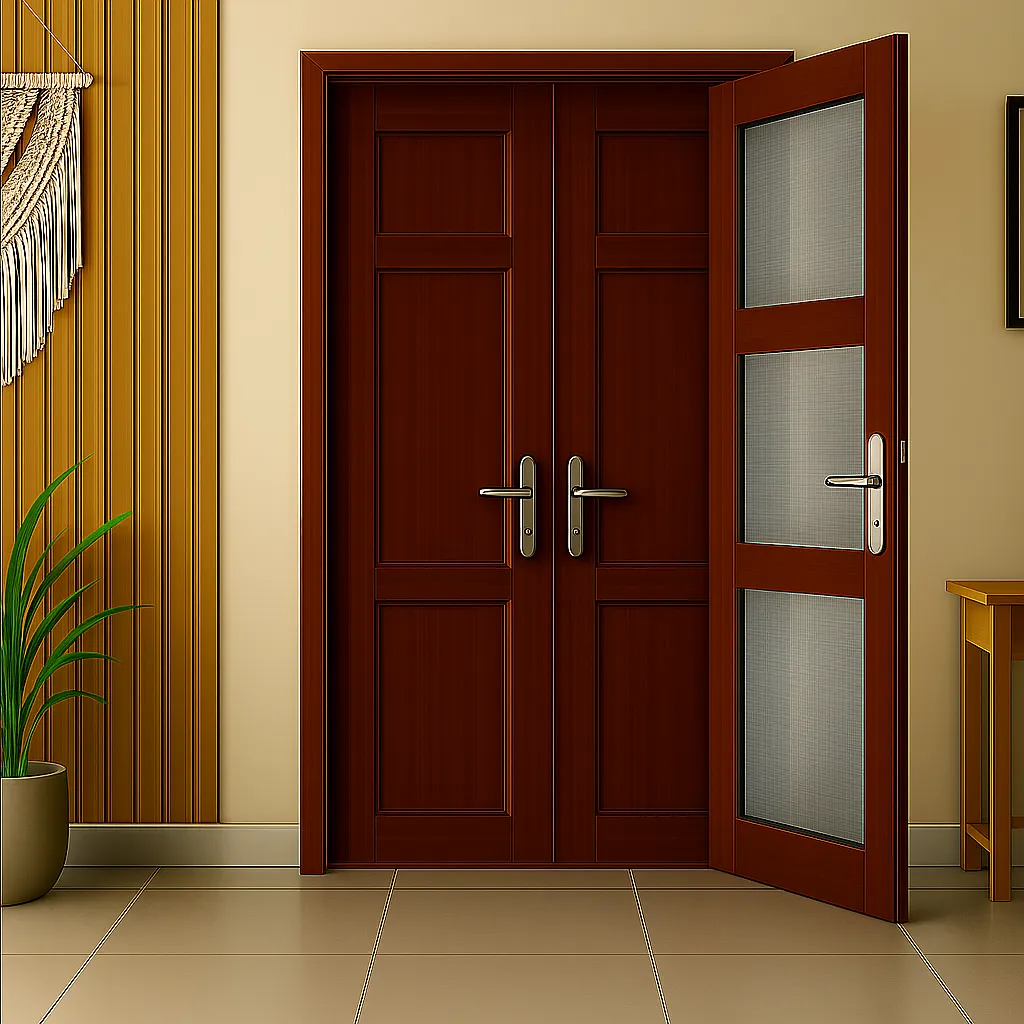
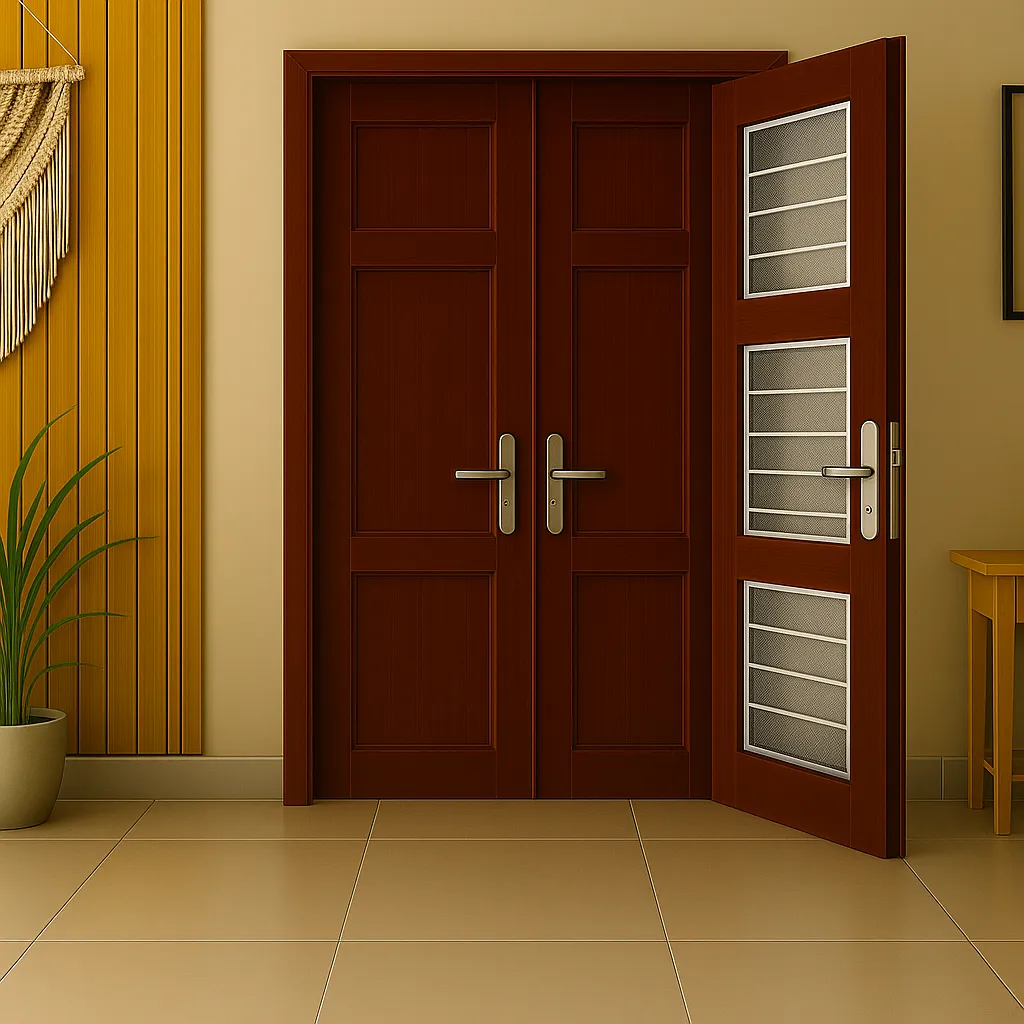
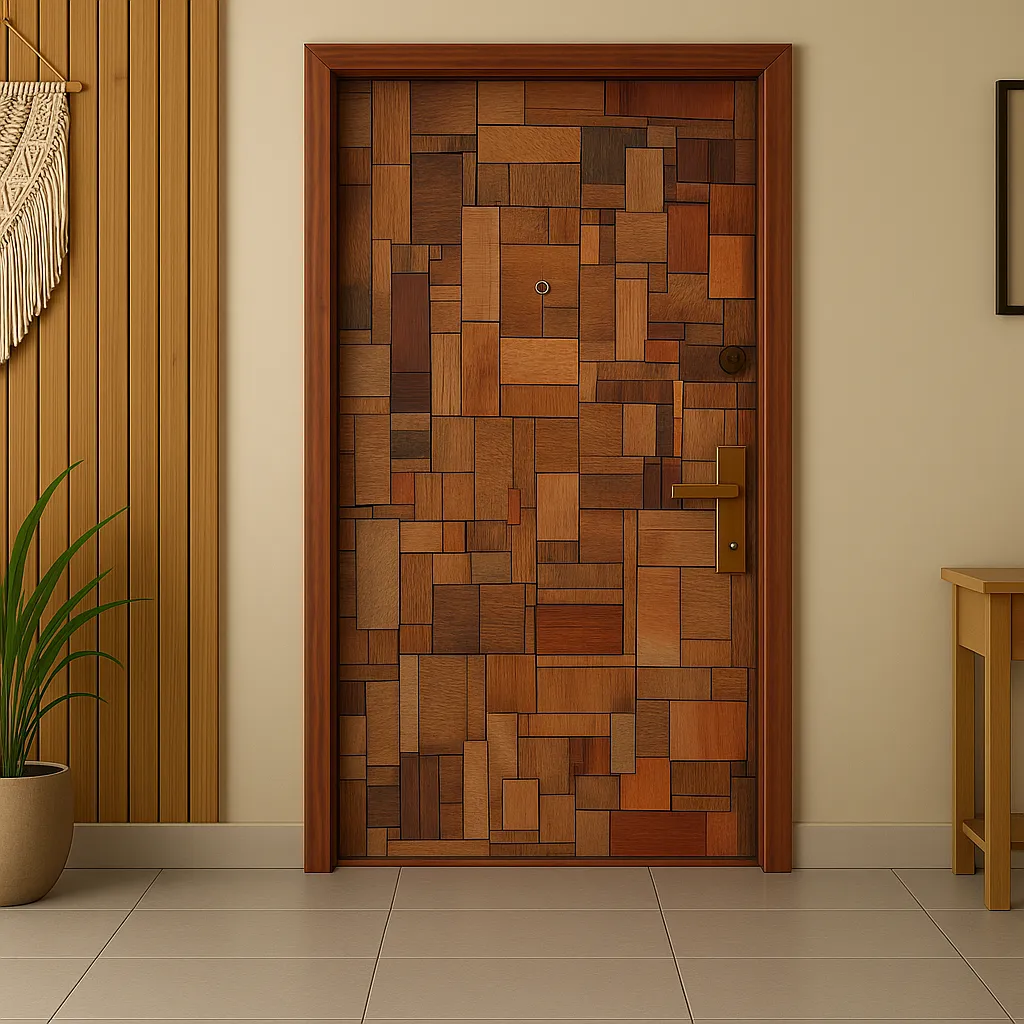
This is where thoughtful front door design becomes important. From the clean architectural appeal of modern steel front doors to the distinctive character of designer entrance doors, the right choice can shape how a home is perceived at first glance.
How does your front door create an impression?
First impressions are formed quickly because the human brain constantly uses visual cues to make immediate judgments about an environment. When someone approaches a house, they unconsciously process details such as the entrance's size, symmetry, cleanliness, lighting, and architectural style.
The front door becomes a focal point because it sits at the transition between the outside world and the private space inside.
For homeowners, this means the entrance should not be treated as an afterthought. When the door complements the home’s architecture, it creates a design that makes the exterior feel more cohesive. The right entrance becomes a defining architectural feature that not only welcomes guests and family but also gives the home a stronger sense of identity.
Here’s how different doors can leave a lasting impression for your home.
Steel doors
A front door needs to balance appearance with everyday performance. It is constantly exposed to weather, frequent use, and general wear, so choosing a durable material is just as important as choosing the right style.
Steel is an excellent option for homeowners who want strength without compromising on design. Modern steel front doors can create a clean, architectural look while giving the entrance a solid and substantial presence.
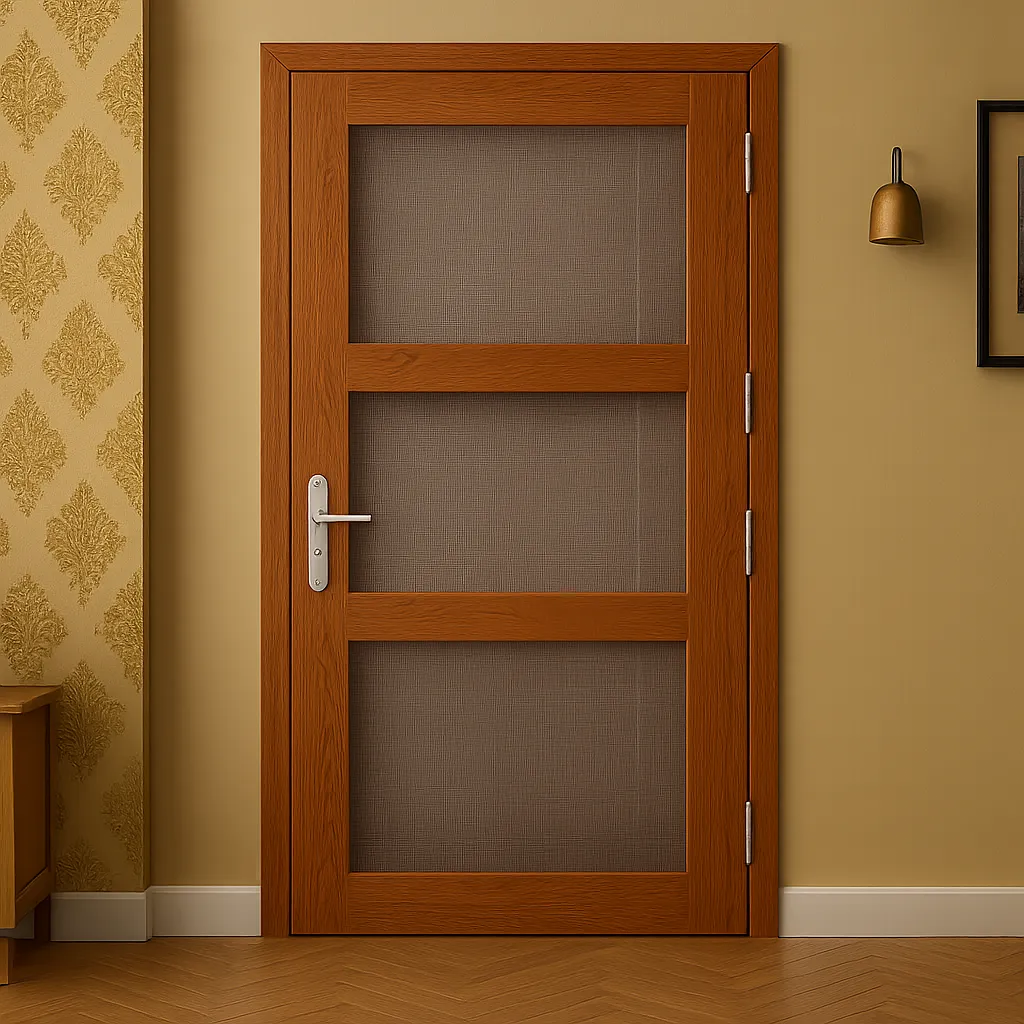
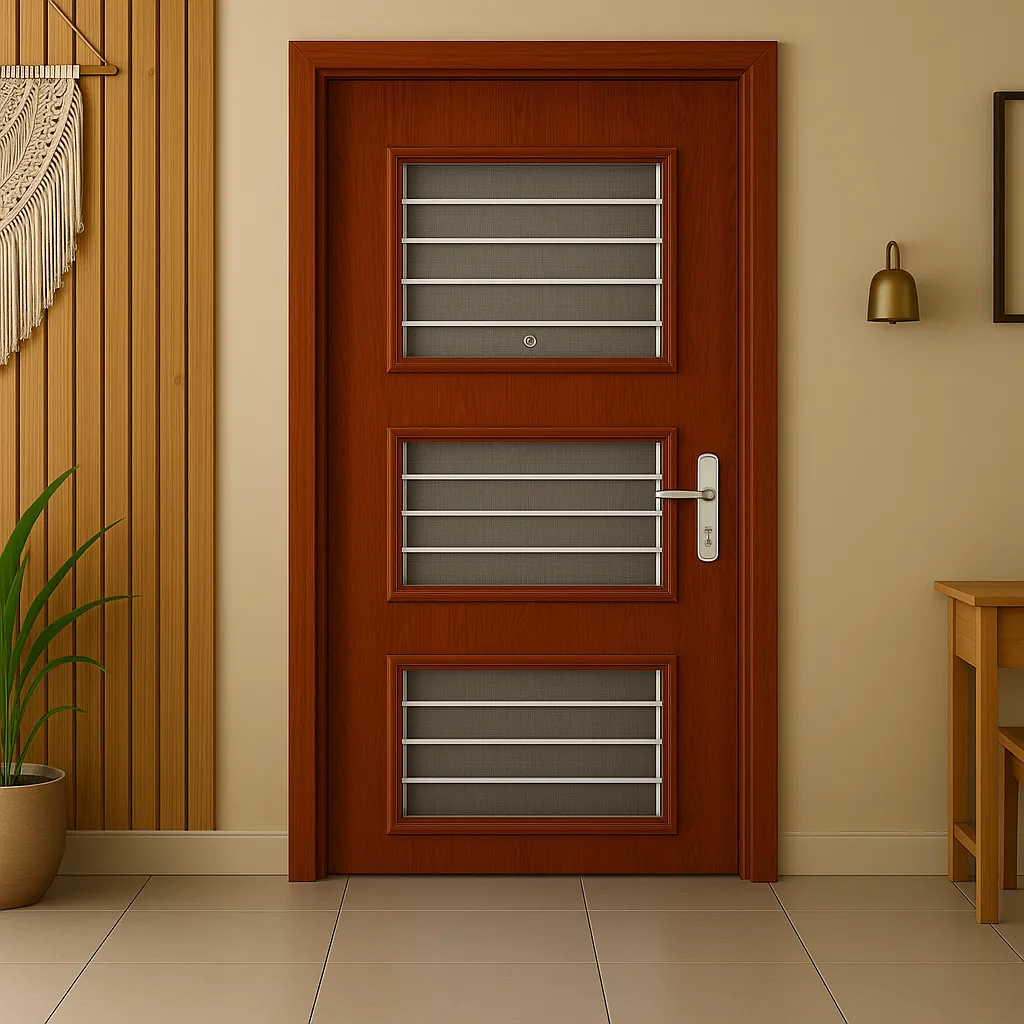
They can be customised with glass panels, geometric detailing, timber-inspired finishes, or minimalist hardware to suit different architectural styles.
Beyond aesthetics, a well-designed steel entrance can also incorporate important features such as security, insulation, weather resistance, and high-quality hardware. This makes it a practical choice as well as a striking design feature.
Designer doors
As one of the most frequently used parts of a home, your front door needs to withstand daily opening and closing, changing weather conditions, and general wear while continuing to look refined over time.
This is where steel offers a strong combination of durability and design. Its solid construction naturally gives an entrance a sense of strength and permanence, while modern finishes and detailing allow it to suit everything from minimalist homes to larger contemporary villas.
Modern steel front doors can be designed with clean panels, vertical or horizontal detailing, glass inserts, oversized handles, or textured finishes. A matte black steel door, for example, can create a bold contrast against a light facade, while a softer metallic or wood-effect finish can give the entrance a warmer appearance.
Steel also works well when combined with other architectural materials. Pairing it with glass can create a lighter, more contemporary entrance, while timber, stone, or concrete can add contrast and visual depth.
Beyond appearance, a professionally designed steel door can be specified around practical requirements such as security, insulation, weather resistance, glazing, locking systems, and hardware. This makes steel a suitable choice for homeowners who want their entrance to make a strong visual statement without overlooking everyday performance.
Grand entrance doors
Grand entrance doors are ideal for homes where the doorway is intended to make a strong architectural statement. Their larger proportions and substantial construction can give the facade a more impressive and luxurious appearance, making the entrance one of the first features visitors notice. They are suited for villas, large independent homes, and properties with wide or double-height entrances, where a standard-sized door may feel visually insignificant.
Beyond size, the design of a grand entrance door can also be enhanced through premium finishes, large handles, decorative panels, glazing, and complementary side panels. These details allow the entrance to feel connected to the overall architecture rather than simply appearing oversized. A well-proportioned grand door can also create a stronger sense of arrival, giving the home a more refined and welcoming character.
When designed with durable materials such as steel, grand entrance doors can combine visual impact with the practical requirements of a residential entrance. They can be engineered for strength, security, insulation, and weather resistance while still offering the flexibility to achieve a distinctive architectural look.
Influence of color
The colour of your front door can influence the way people perceive your home before they even step inside. It can make an entrance feel sophisticated, welcoming, traditional, bold, or contemporary.
Here’s a breakdown of different color choices:
- Black: Creates a sophisticated, confident, and contemporary look. It works well with modern facades, glass, concrete, stone, and lighter exterior walls.
- Charcoal and dark grey: Offer a refined alternative to black. These shades provide contrast while creating a softer, understated appearance that suits contemporary and minimalist homes.
- White and lighter shades: Give the entrance a clean, fresh, and bright appearance. They can work especially well when paired with darker frames, walls, or architectural details.
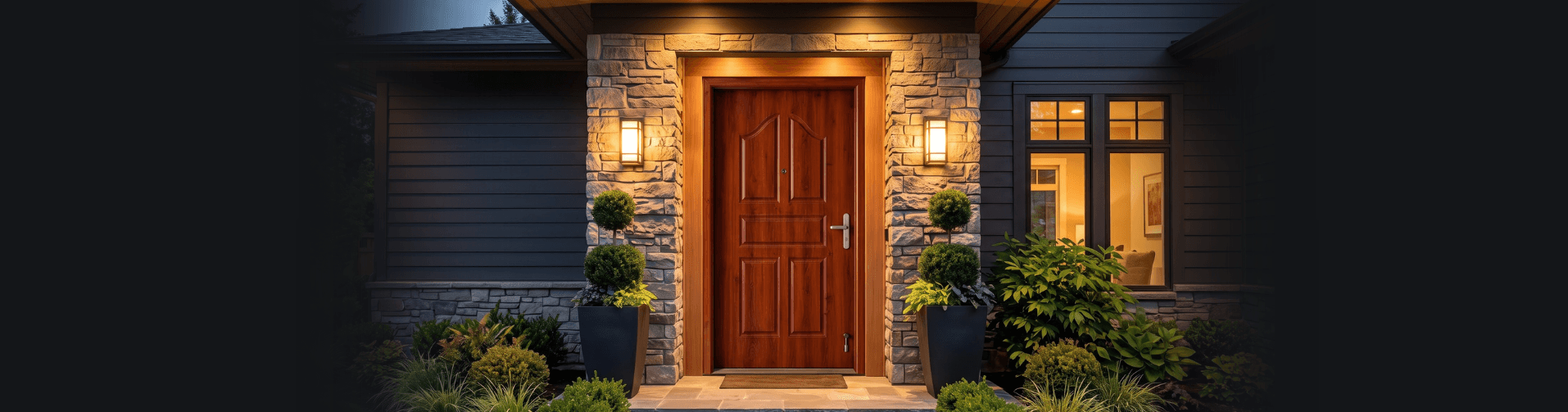
- Natural wood and wood-effect finishes: Add warmth and texture to the entrance, making the home feel more welcoming. They pair naturally with stone, brick, landscaping, and neutral facade.
- Bold colours: Deep blue, green, burgundy, and other rich shades can give the entrance personality and make it a clear focal point. They work best when the rest of the facade has a relatively restrained colour palette.
- Metallic and textured finishes: Can give steel entrances a distinctive, architectural appearance. Subtle metallic tones can add depth and sophistication without relying on decorative detailing.
The best colour choice ultimately depends on the architecture surrounding the door. A contrasting colour can draw attention to the entrance and make it a focal point, while a complementary shade can help the door blend seamlessly with the facade.
Smaller aesthetics
A well-designed front door creates the foundation for a strong entrance, but the elements surrounding it can have just as much influence on the overall impression. Lighting, landscaping, house numbers, pathways, and hardware should work together with the door rather than feeling like separate additions.
Lighting: The right lighting can highlight the door's material, colour, and architectural details after sunset. Warm wall lights can create a welcoming atmosphere, while recessed or linear lighting can complement a contemporary entrance.
House numbers: House numbers are a small detail, but they contribute to the visual identity of the entrance. Large, clean-lined numbers suit modern doors, while more traditional fonts can complement classic or decorative entrances.
Landscaping: Plants, planters, and greenery can soften the harder materials used around the doorway. Combining natural landscaping with steel, stone, concrete, or glass can create a more balanced and inviting entrance.
Pathway and steps: The approach to the door is part of the overall experience. Well-chosen paving, steps, railings, and pathway lighting can naturally draw attention towards the entrance while making it feel more accessible and considered.
Hardware: Handles, locks, hinges, and other visible hardware should complement the style and finish of the door. A long pull handle can enhance a tall contemporary entrance, while more detailed hardware can work better with traditional designs.
When these elements are considered together, they create a cohesive entrance rather than simply placing a door within a facade. The result is a front entrance that feels intentional, balanced, and reflective of the home's overall design.
Conclusion
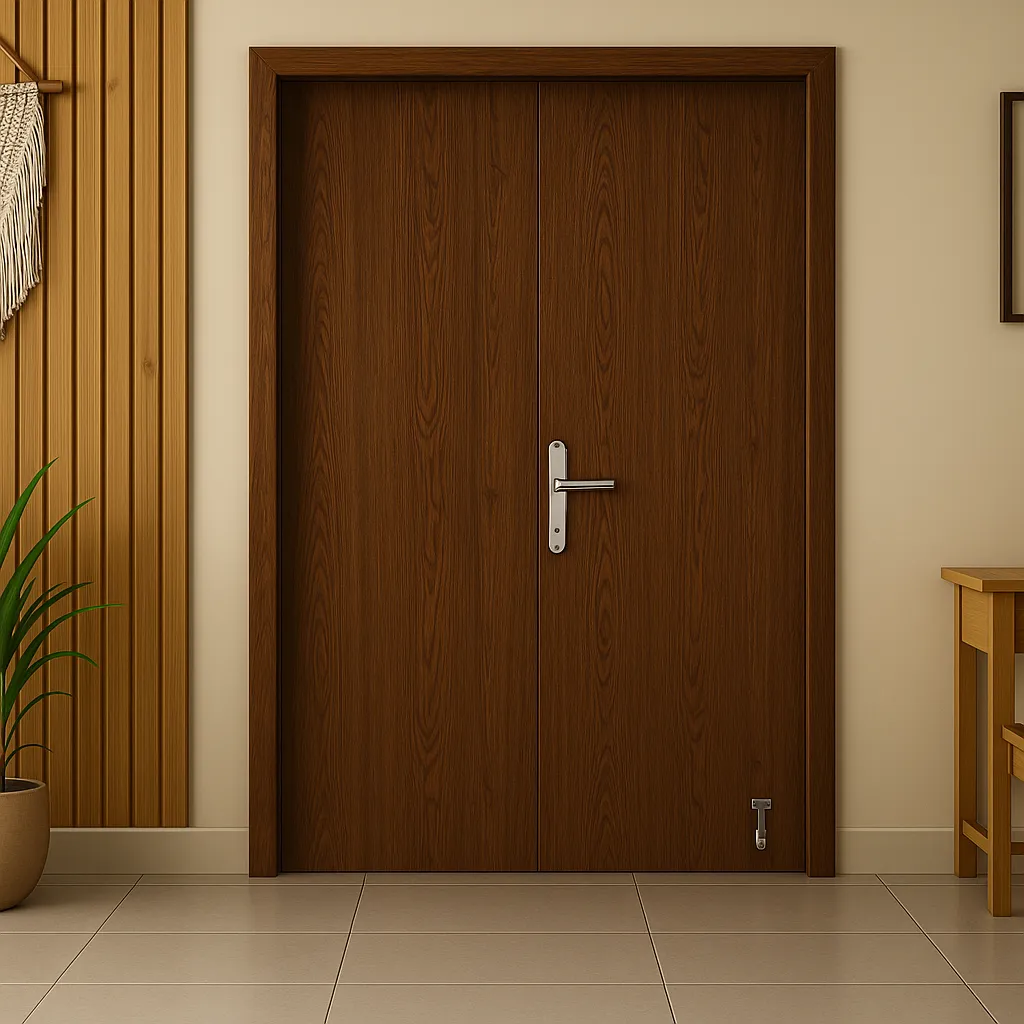
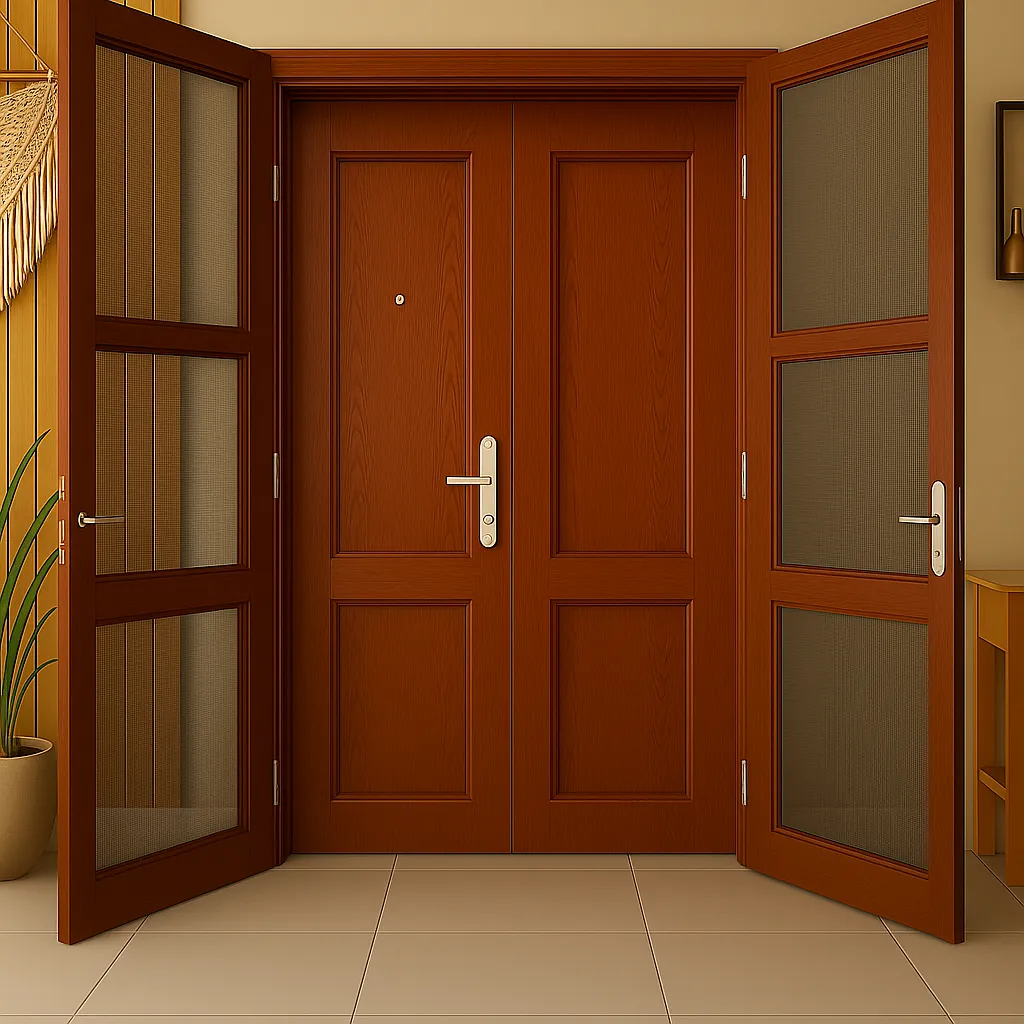
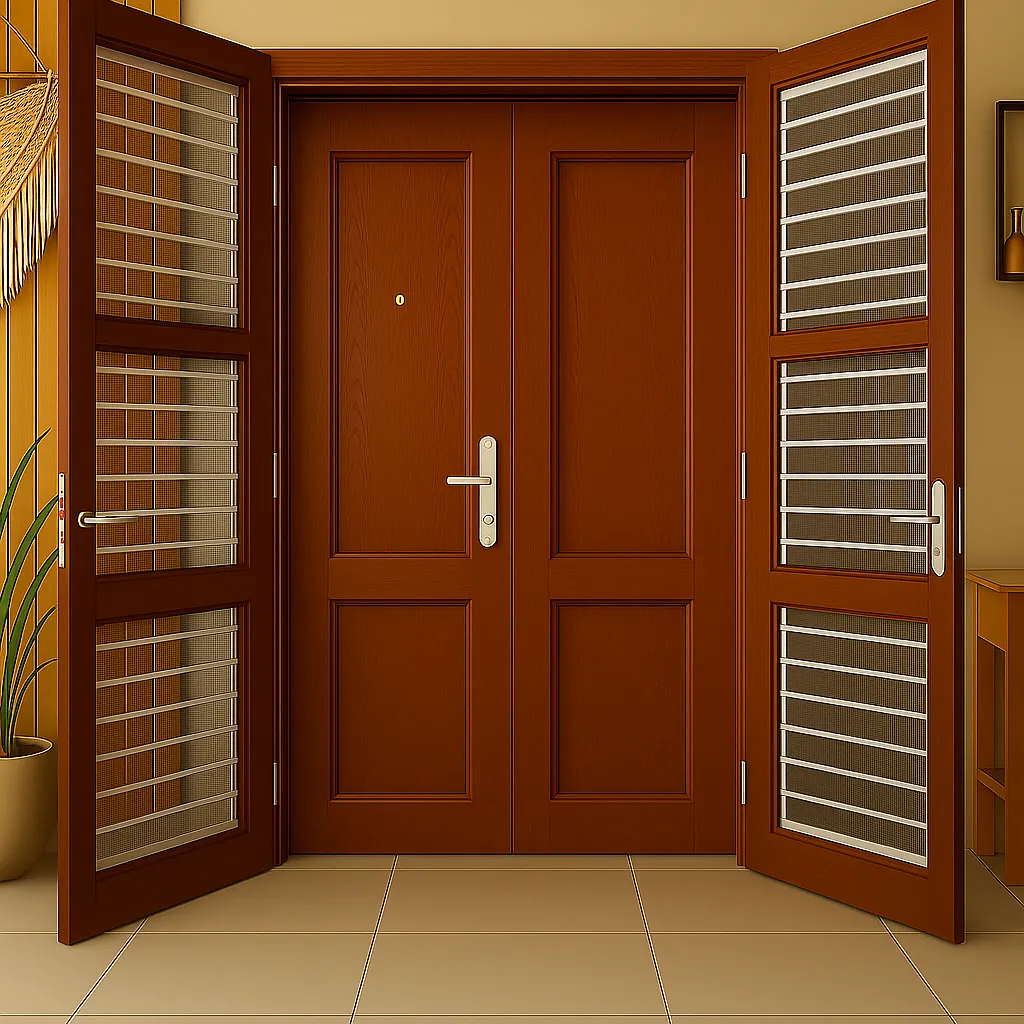
Whether you choose a minimalist steel door, a grand entrance, a double-shutter design, or a customised designer entrance door, the right choice should complement the architecture while meeting the practical demands of everyday living.
Modern steel front doors and other residential steel doors can combine durability, security, and contemporary aesthetics, making them a practical and visually impactful choice. Ultimately, a thoughtfully designed Main entrance door sets the tone for everything beyond it.
You may also like
Other Products You Might Like
Explore more products from our collection
Other Products You Might Like
Explore more products from our collection